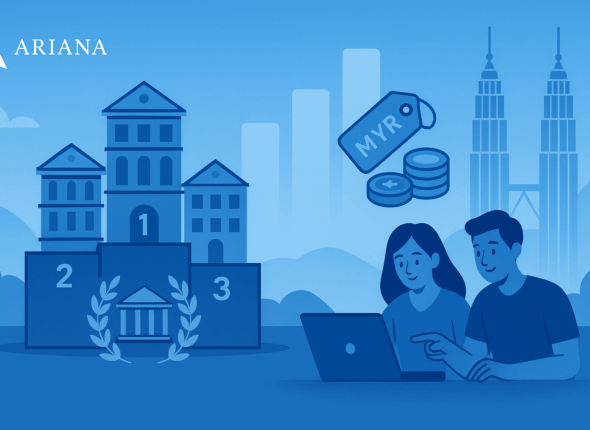
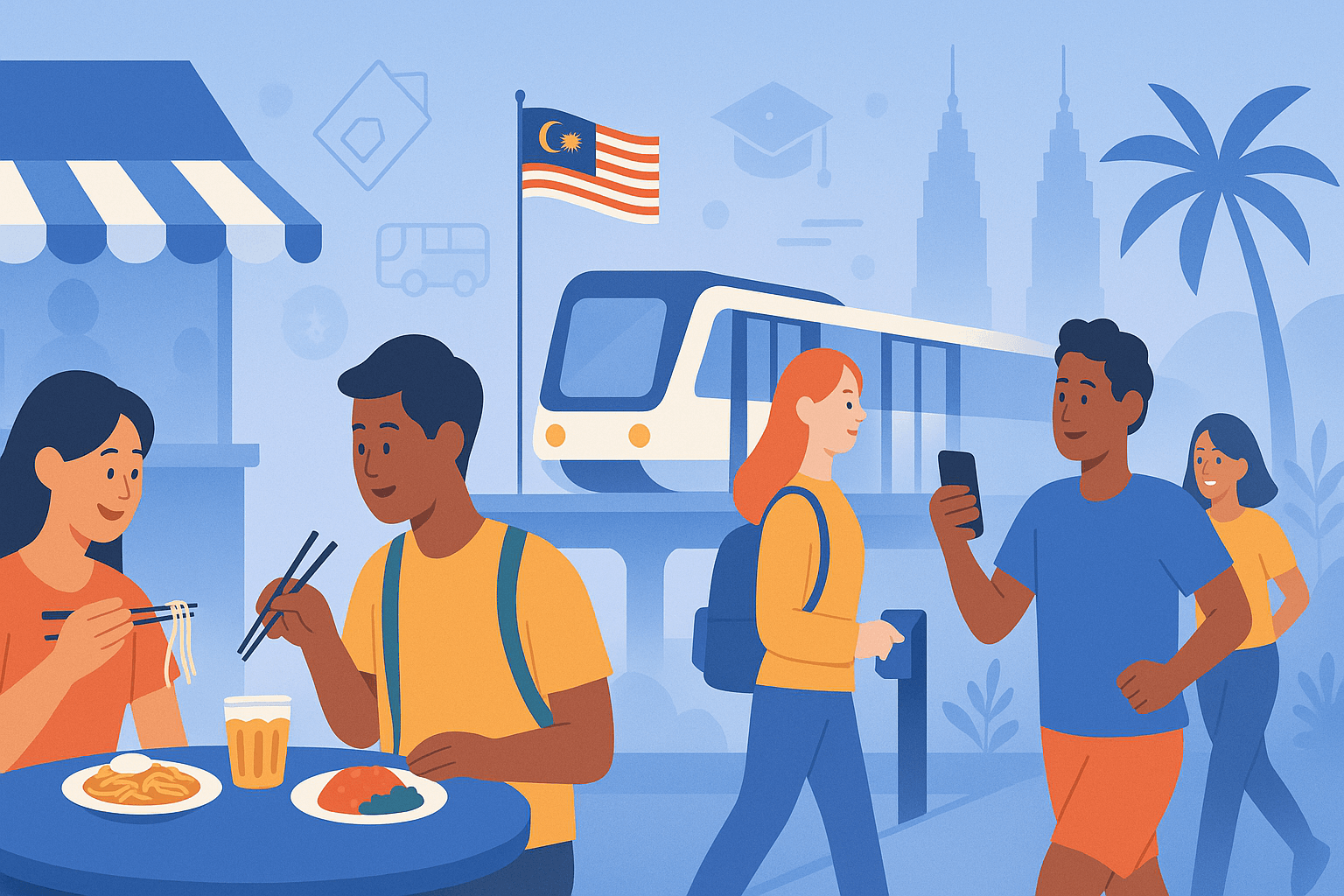
Malaysia is one of the most popular study destinations in Asia for international students. It offers affordable education, English-medium programs, modern cities, multicultural student life, and a lower cost of living compared with many Western countries.
If you are planning to study in Malaysia, it is important to understand daily student life before you arrive. This guide explains the cost of living, accommodation, food, transport, healthcare, safety, culture, and practical tips for international students in Malaysia.
Life in Malaysia for International Students: Quick Overview
Life in Malaysia is usually comfortable for international students. Most students enjoy the mix of affordable living, diverse food, friendly people, and modern facilities.
Malaysia is also a multicultural country. You will meet Malaysians from different ethnic and cultural backgrounds, including Malay, Chinese, Indian, and many other communities. This makes student life more open and international.
For many students, the biggest benefits are:
- Affordable tuition fees compared with the UK, US, Australia, or Canada.
- Many English-medium programs.
- Modern universities and international campuses.
- Lower monthly living costs than many major study destinations.
- Wide food choices, including halal, vegetarian, Asian, Middle Eastern, and Western food.
- Good travel access to other Southeast Asian countries.
Monthly Cost of Living in Malaysia for Students
The cost of living in Malaysia depends on your city, lifestyle, accommodation type, and spending habits.
In general, many international students spend around RM1,500 to RM2,800 per month for basic living expenses. Students in Kuala Lumpur and Selangor may spend more, while students in smaller cities may spend less.
| Expense | Estimated Monthly Cost | Notes |
|---|---|---|
| Accommodation | RM500 – RM1,500 | Shared room, hostel, or rented room |
| Food | RM500 – RM900 | Local food is cheaper than eating at malls or cafes |
| Transport | RM100 – RM300 | Depends on distance and public transport access |
| Mobile Internet | RM30 – RM80 | Prepaid and postpaid plans are widely available |
| Utilities | RM100 – RM250 | May be included in rent or charged separately |
| Personal Expenses | RM200 – RM600 | Shopping, laundry, entertainment, and other needs |
| Total Estimate | RM1,500 – RM2,800+ | Depends on city and lifestyle |
Students who cook at home, share accommodation, and use public transport can save more money. However, students who live alone, eat out often, or stay near central Kuala Lumpur may need a higher monthly budget.
Accommodation for International Students
Accommodation is one of the biggest monthly expenses for students in Malaysia.
Most students choose one of these options:
University Hostel
Some universities offer on-campus or nearby student accommodation. This can be convenient for new students because it is close to classes and university facilities.
However, rooms may be limited. You should apply early if you want university accommodation.
Shared Room or Shared Apartment
Many international students rent a room in a shared apartment. This is often cheaper than renting a full unit alone.
Shared accommodation is common in areas near universities such as Subang Jaya, Cyberjaya, Shah Alam, Bangi, Kuala Lumpur, Petaling Jaya, and Nilai.
Private Studio or Apartment
A private studio or apartment gives more privacy, but it costs more. It is usually suitable for students with a higher budget or postgraduate students who prefer a quieter lifestyle.
Accommodation Tips
Before choosing a place, check:
- Distance from campus
- Public transport access
- Rental deposit amount
- Electricity and water charges
- Internet availability
- Safety of the area
- Rules about visitors, cooking, and contracts
Do not pay a large deposit before checking the room, contract, and owner or agent details.
Food and Daily Meals
Food is one of the best parts of living in Malaysia.
Students can find Malay, Chinese, Indian, Middle Eastern, Korean, Japanese, Western, and Central Asian food in many cities. Halal food is also widely available.
Local meals can be affordable. In many areas, a simple meal at a local restaurant or food court may cost around RM8 to RM15. Food in malls, cafes, and international restaurants is usually more expensive.
Popular student food options include:
- Nasi lemak
- Fried rice
- Chicken rice
- Roti canai
- Mixed rice
- Noodles
- Shawarma and Middle Eastern food
- Vegetarian meals
If you want to save money, try to cook some meals at home and eat local food instead of eating at cafes every day.
Transport in Malaysia
Transport depends on where you live and study.
In Kuala Lumpur and Selangor, students can use MRT, LRT, Monorail, KTM, buses, e-hailing apps, and taxis. Public transport is useful if your university is near a station or bus route.
Common transport options include:
- Touch ‘n Go card: Used for many public transport services.
- MRT / LRT / Monorail: Useful in Kuala Lumpur and Selangor.
- Rapid KL buses: Available in many urban areas.
- KTM Komuter: Useful for selected routes outside central KL.
- E-hailing apps: Convenient but more expensive for daily use.
- University shuttle: Some universities offer free or low-cost shuttle buses.
International students should also check whether they are eligible for any transport pass or discount. Some student concession rules may change, so always confirm the latest terms before applying.
You can also read our guide about the student concession card in Malaysia.
Education and University Life
Malaysia has public universities, private universities, university colleges, and foreign branch campuses.
Many programs are taught in English, especially at private universities and international campuses. This makes Malaysia easier for international students who do not speak Malay.
University life can include:
- Lectures and tutorials
- Group assignments
- Presentations
- Internships or industry projects
- Student clubs and societies
- Sports and cultural activities
- Career fairs and networking events
International students should take part in campus activities. It is one of the easiest ways to make friends, improve communication skills, and adapt to life in Malaysia.
Language in Malaysia
The official language of Malaysia is Malay, also known as Bahasa Malaysia.
However, English is widely used in universities, business areas, shopping malls, and many student communities. Most international students can study and live comfortably with English.
Still, learning basic Malay phrases can help in daily life.
Useful phrases include:
- Terima kasih — Thank you
- Berapa? — How much?
- Di mana? — Where?
- Saya pelajar — I am a student
- Tolong — Please / Help
Learning simple local phrases also helps you connect with people and understand Malaysian culture better.
Culture and Social Life
Malaysia is known for its multicultural environment. Students can experience different festivals, foods, languages, and traditions throughout the year.
Major celebrations include:
- Hari Raya Aidilfitri
- Chinese New Year
- Deepavali
- Christmas
- Thaipusam
- Gawai in Sarawak
- Kaamatan in Sabah
Because Malaysia is culturally diverse, students should respect local customs. Dress modestly in official places, remove shoes when entering certain homes or prayer spaces, and be polite when discussing religion or culture.
This respectful attitude will help you adjust faster and make a good impression.
Safety in Malaysia
Malaysia is generally safe for international students, especially in university areas and major cities.
However, students should still follow basic safety rules.
- Keep your passport and important documents safe.
- Do not carry too much cash.
- Use trusted transport options at night.
- Avoid walking alone in quiet areas late at night.
- Be careful with online rental scams.
- Save your university emergency contact number.
- Follow local laws and visa rules.
If you face any issue, contact your university international office first. They can guide you on the correct next step.
Healthcare and Medical Insurance
International students in Malaysia must have medical insurance.
Insurance is usually arranged through EMGS or the university during the Student Pass process. It helps cover selected medical expenses during your study period.
New students must also complete post-arrival medical screening after entering Malaysia. This is part of the Student Pass process.
For normal health issues, students can visit university clinics, private clinics, or hospitals. Public hospitals may be cheaper, but private clinics are often faster for basic treatment.
Always keep a copy of your insurance details and emergency contact numbers.
Student Visa and Legal Responsibilities
International students must follow the rules of their Student Pass.
This means you should:
- Study at the approved institution.
- Keep your passport valid.
- Renew your Student Pass before expiry.
- Attend classes regularly.
- Follow university rules.
- Do not work illegally.
- Inform your university if you change address or contact details.
If you need more information, read our guide about the Student Pass Malaysia and the EMGS tracking system.
Travel Opportunities
Malaysia is a great base for travel.
Inside Malaysia, students can visit beaches, islands, mountains, historical cities, and modern city attractions.
Popular places include:
- Kuala Lumpur
- Penang
- Langkawi
- Melaka
- Genting Highlands
- Cameron Highlands
- Sabah
- Sarawak
- Perhentian Islands
Malaysia is also close to Thailand, Singapore, Indonesia, Vietnam, and other Southeast Asian countries.
However, always check your visa and passport status before travelling outside Malaysia. Do not travel while your passport is with Immigration for Student Pass endorsement or renewal.
Part-Time Work for International Students
Some international students may be allowed to work part-time, but the rules are strict.
Student Pass holders may work only with proper approval and only under the allowed conditions. In general, part-time work is limited and should not affect your studies.
Before accepting any job, check with your university international office. Working without approval can create serious visa problems.
You can learn more in our Student Pass Malaysia guide.
Common Challenges for International Students
Moving to a new country is exciting, but it can also be challenging.
Common challenges include:
- Finding suitable accommodation
- Understanding visa and EMGS steps
- Managing monthly budget
- Getting used to the weather
- Making new friends
- Understanding local culture
- Choosing the right transport option
- Dealing with homesickness
The good news is that most students adjust after the first few months. Joining university activities, staying connected with family, and asking for help early can make the transition easier.
Tips for New International Students in Malaysia
Here are some practical tips before and after you arrive:
- Prepare enough money for your first 2 to 3 months.
- Book temporary accommodation if you have not confirmed long-term housing.
- Complete your arrival documents and follow university instructions.
- Buy a local SIM card after arrival.
- Open a Malaysian bank account when your university allows it.
- Use public transport or university shuttle buses when possible.
- Keep digital copies of your passport, visa documents, offer letter, and insurance.
- Respect local culture and university rules.
- Ask your university international office for help if you are unsure.
Is Malaysia a Good Place for International Students?
Yes, Malaysia can be a very good place for international students.
It offers a strong balance of affordable education, multicultural life, English-medium study options, modern cities, and travel opportunities.
However, students should plan carefully. Your experience will depend on your university, course, accommodation, budget, and how well you prepare before arrival.
If you choose the right university and manage your budget properly, life in Malaysia can be comfortable, exciting, and memorable.
Need Help Studying and Living in Malaysia?
Ariana Education helps international students choose universities, prepare documents, apply for admission, understand EMGS visa steps, and prepare for life in Malaysia.
Ariana Education can help you with:
- University and course selection
- Admission document preparation
- Student Pass and EMGS guidance
- Arrival planning
- Accommodation guidance
- Student life support in Malaysia
If you are planning to study in Malaysia and do not know where to start, contact Ariana Education. Our team can guide you from application to arrival.